
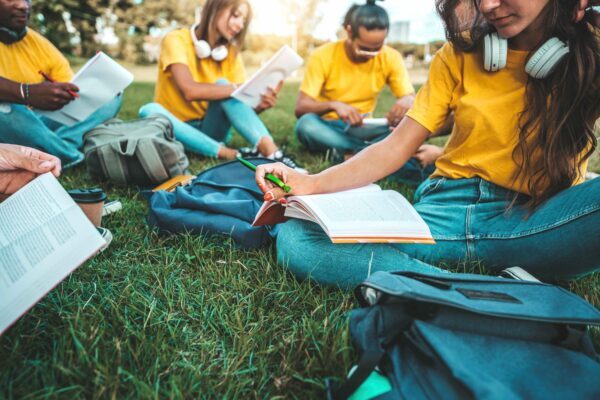
Two ways to learn: one by listening, one by doing. Both work, but in different ways. This article shows what makes them different and where they help most.
What Is Traditional Learning?
Traditional learning means students listen to the teacher and try to remember what the teacher says. Most times, students sit in the classroom and hear lectures. They read textbooks and study facts. Then, they take a test to check knowledge. This method is common in schools and universities. It has clear rules; lessons happen in the same way for all.
This type of learning helps when there is a big group. Teachers control the class, give one plan, and keep all students on the same level. It is easy to follow and good for subjects like math, grammar, and history. Lessons are structured and predictable.
But there are problems. Students sometimes feel bored. There is not much space for questions or practice. Students may remember the answer but not understand why it is correct. It can feel passive because students only receive information, not try something real.
What Is Experiential Learning?
Experiential learning is learning by doing. Students get knowledge through their own action. It is not about sitting and listening. It is about trying, testing, building, and creating. The teacher guides the student to experience and reflect after it.
For example, a student can learn science in a lab. They do experiment and see what happens. Or a student can go to an internship, work on a real task, and think afterward about what they learned. This way of learning is active. Students make mistakes, fix them, and learn deeply.
The important part is reflection. After doing it, the student must stop and think. What worked? What failed? Why? This helps build deep understanding. Experiential learning gives useful skills like teamwork, problem solving, and communication.
Still, it is not easy. It takes time and often needs tools, places, or support. Also, results may not always be the same. It is less controlled than traditional. But it gives big value in many areas.
Main Differences Between Experiential and Traditional Learning
There are many ways in which these two methods are different. This comparison shows how they work:
- Role of Student: In traditional settings, students listen and follow. In experiential learning, students act and explore.
- Source of Knowledge: Traditional gives knowledge from teacher or book. Experiential gives it from action and result.
- Assessment: Traditional use test with right or wrong answers. Experiential check learning with a project, journal, or group task.
- Learning Style: Traditional means reading and listening. Experiential means touch, build, and solve.
- Context: Traditional often teach theory or idea. Experiential activities often teach skills in real–life situations.
Where Traditional Learning Works Best
Traditional learning gives good results in areas where rules are clear and answers must be correct. This is why it fits well for theory, math, grammar,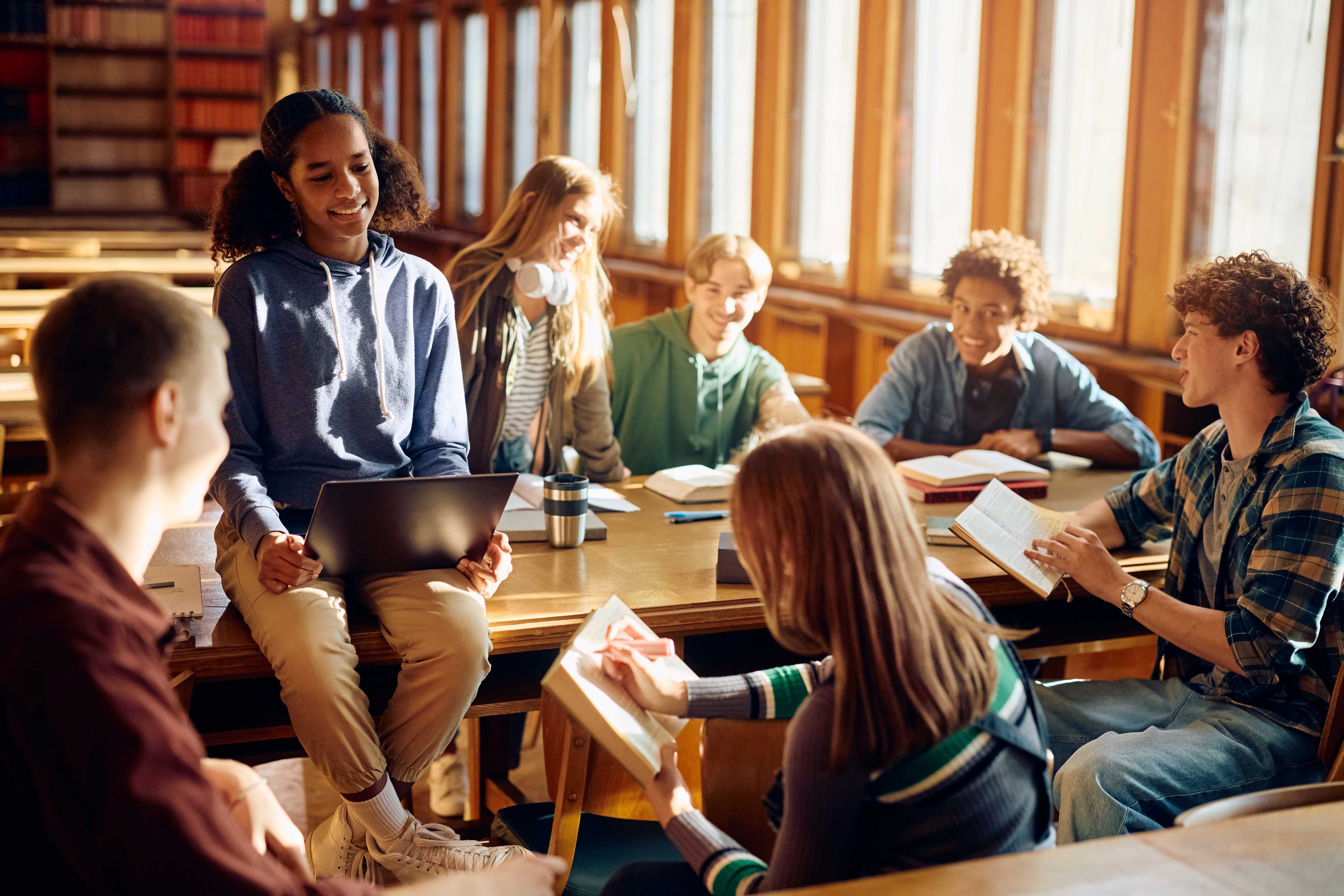 or history. When students must learn base facts or prepare for a test, this method helps.
Also, it is useful when a big number of students are in one class. Teachers give the same lesson to all. It is easier to check who learns and who does not. For example, when a school must teach hundreds of students the same topic, traditional learning is simpler.
In subjects where every step must be the same, like calculation or learning a formula, structure and repetition are good. It gives control, saves time, and makes results equal.
Where Experiential Learning Works Best
Experiential learning helps when skill is the main goal. In jobs like medicine, teaching, or business, students must practice. Not only know theory, but also know how to act.
This method is great for building soft skills. For example, communication, teamwork, or leadership are better learned by doing than by reading. Adult learners also like it more because it connects with real life.
Students who learn better by moving, building, or talking also benefit. They remember better when they are active. This learning works well in training, workshops, summer schools, and real job tasks.
Combined Learning–Best of Both
Sometimes, the best way is not to choose one side. Combination can bring strong results. First, students learn theory. Then they try it in practice. This helps memory and also shows why knowledge is useful.
One model is the flipped classroom. Students read at home and come to class to do it. This makes class time more active. Teachers help solve real problems, not just talk.
A balanced method gives structure from traditional and energy from experiential. This mix helps students remember better and stay interested.
Studies show that when students practice after theory, they understand more. Interest also grows. This way, learning is not boring and not too free. It becomes useful and strong.
Challenges of Both Approaches
Every method has a good and a hard side. Traditional learning can feel boring or too passive. Some students stop caring because they only listen, not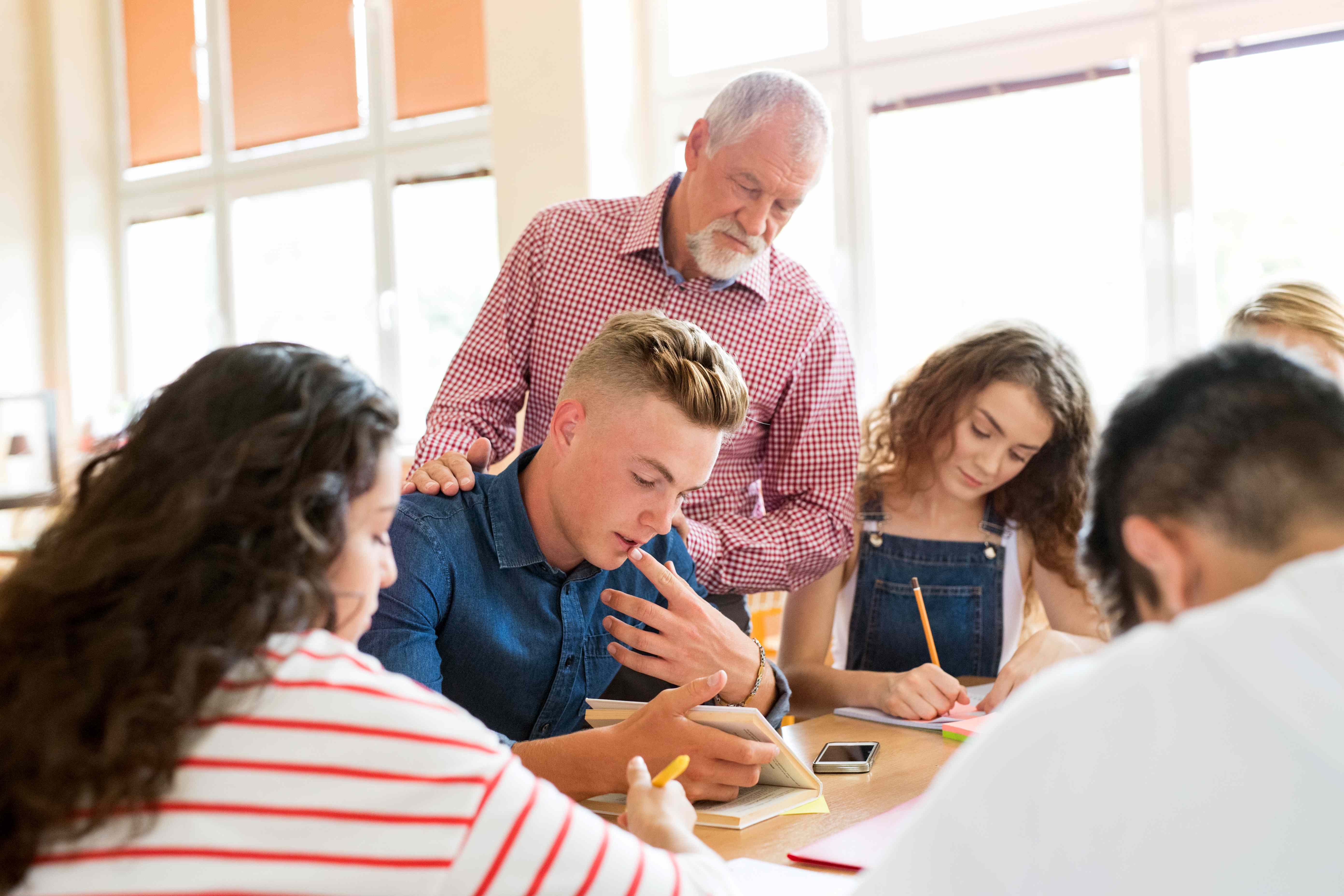 do.
do.
Experiential learning also has problems. It takes more time and effort. It is not easy to check learning with one test. Some topics, like laws or formulas, may not fit well.
It is important to think about what method matches the topic. There is no one best. Only what works for this student, this class, and this goal.
Conclusion – Choose the Right Way to Learn
There are two ways of learning. Each one helps in their own way. Knowing the difference is important.
Good learning happens when the method matches the task. Sometimes we need facts. Sometimes we need practice. The key is not only what to learn but also how to learn it.
Summary of Key Differences
- Traditional learning is passive. Experiential is active.
- Traditionally, we use lectures and tests. Experiential use task and reflection.
- Traditional is good for theory. Experiential is good for skill.
Using both makes learning strong, deep, and useful.