
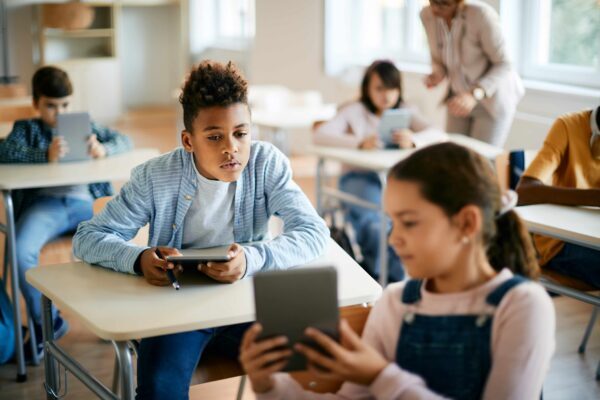
Children like games. Teachers want students to learn well. When game and lesson become one, all win. Gamified education uses parts of games to help learn better. It is not just play. It uses game things like points and badges to make learning active and fun. This article explains what gamified education is and why the brain likes it.
What Is Gamified Education?
Gamified education is not the same as only playing a game. It uses parts from the game for learning. For example, students get points for tasks done. Or badges when they finish a lesson. Levels show how far students go. Sometimes class makes small competitions for learning. This helps students become more interested and want to learn more.
Think like this–the game is a lesson but fun. When you play a game, you follow rules. You get a prize if you do good. You want to be better every time. The same way in gamified education. Teachers add game rules and prizes to schoolwork. This way learning is not boring or hard.
But gamified education is not a full game. It is a tool for learning. You do schoolwork but with fun parts from the game. This way students feel happier and more active in class. Also, it helps students stay focused and remember better.
Gamified education uses game elements only. It does not replace real lessons but makes lessons more interesting. For example, points show progress, badges give a feeling of winning, and levels help see the next step. Also, competition with classmates makes motivation grow.
So, gamified education mixes school and play. It uses game ideas for better learning and more fun.
How Game Elements Affect the Brain in Learning
Brian likes the game because the game makes him feel happy. When you win or get a prize, your brain gives a special chemical–dopamine. Dopamine helps you feel good and want to do more. This is called positive feedback. When the brain gets dopamine, it says, “This is good; repeat it.”
Fast feedback is very important in games and learning. If you get a prize or points right after a task, you know what is right. It helps you learn faster. Slow feedback, like when teachers give marks after many days, makes students forget or lose interest.
Games make you want to try again if you fail. Failure is not a problem; it is a chance to try again. This feeling is very good for learning. Because if students are scared of failing, they stop trying. But games give hope and fun to continue.
Also, the brain remembers better when it feels strong emotion. Games make learning fun and interesting. When you enjoy, your brain keeps information longer. If a lesson is boring, the brain forgets fast.
Game mix reward, feelings, and repeat many times. This helps the brain learn better and remember more. This is why gamified education is good for the brain and learning.
Main points for brain and gamified learning:
- Dopamine makes you want to do more.
- Fast feedback helps learn fast
- Want to try again if fail
- Emotions help memory better.
Key Benefits of Gamified Education
Gamified education brings many good things for students and teachers. Here are the main benefits and examples of how it works.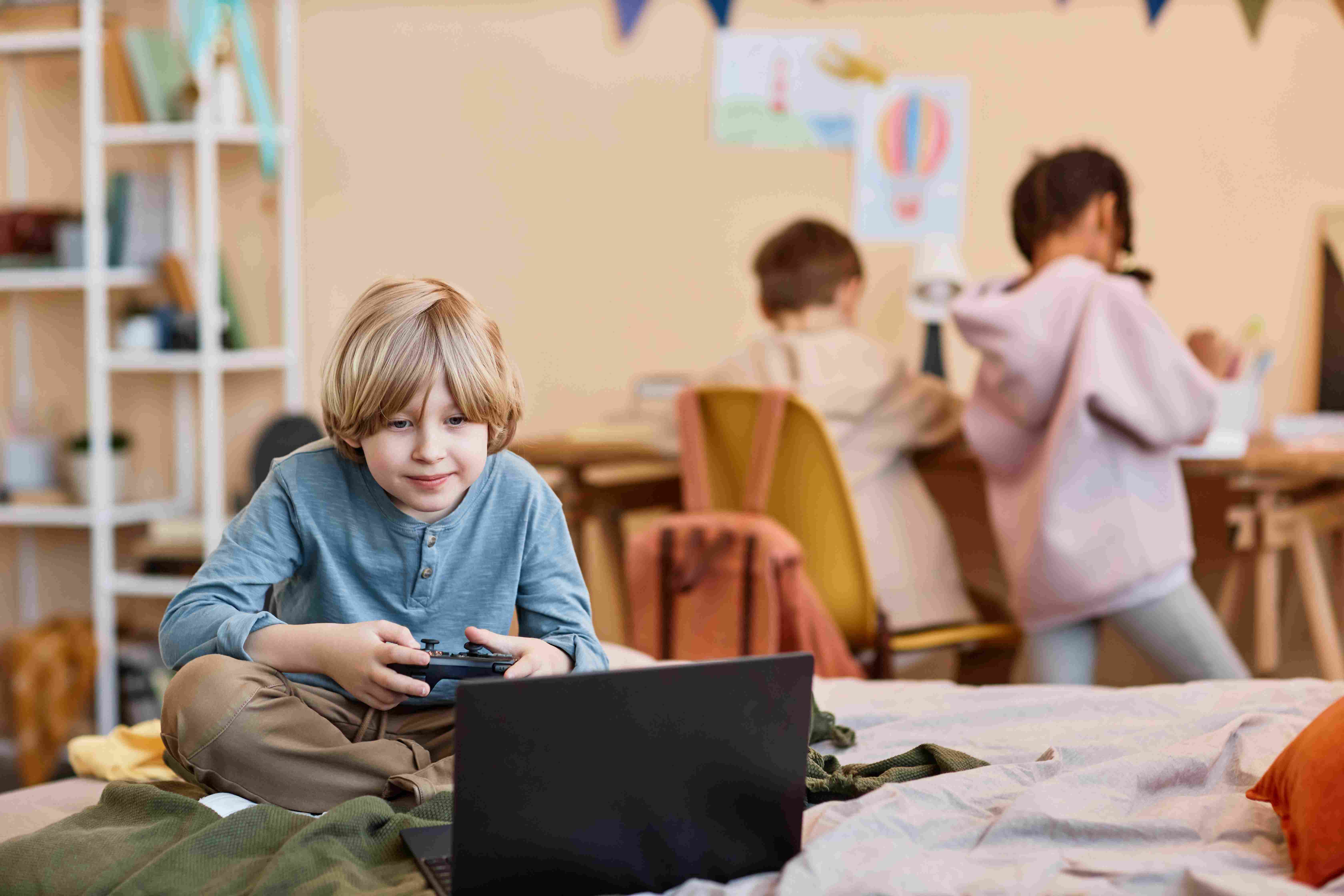
Motivation–Games make students active and want to learn more. Like when you play football with friends, you try your best to win. In the same way, gamified learning gives tasks with points or prizes. Students feel like they want to do more and more because they like to win or get a badge.
Memory–Gamified education helps remember better. When students repeat a lesson many times with a game, it is not boring. Like when you learn a song by singing it many times. You remember better because it’s fun, not boring.
Engagement–Learning with gamification feels like an adventure. Students do not just listen or read; they do tasks with challenges and prizes. Like in a treasure hunt game, you want to find the next clue. This makes students stay focused and not tired.
Collaboration–Gamification helps teamwork. Sometimes students play together to solve a problem or finish a quest. Like in a team game, each has a role and helps others, this way students learn to work with friends and help each other.
Individual Learning Paths – The game can change difficulty for each student. If one student easily learns, the game gives harder tasks. If others find it hard, the game gives easy steps first. Like in a video game, you can choose a level. This helps all students learn in their best way.
So, gamified education is not just fun. It helps motivation, memory, engagement, teamwork, and learning for each student. It makes school a better place for learning.
Where Gamified Learning Works Best
Gamified learning works very well in many places.
In young classes–primary school students like to play and learn with game parts. This helps them start loving school and learning.
Online learning uses gamification in apps and platforms. When students study at home or remotely, game parts make lessons more fun and active. It helps students not be bored with long videos or text.
Also, gamified learning works well in extra activities like after–school clubs or summer schools. These places use games to keep student interest and teach new things.
Special education needs also benefit from gamified learning. The game can change difficulty or rules for each student’s needs. This helps students with special needs learn in the best way.
Gamified learning works best when it fits students and place. It makes learning easy and fun for all.
Common Challenges and Risks
Gamified education has positive sides but also problems. Teachers and students face some risks when using games in learning. Here are common challenges to know.
Overfocus on rewards
Sometimes students want only prizes or points. They learn not for knowledge but for rewards. Imagine engaging in game solely for the purpose of earning a prize, rather than for the enjoyment of learning. This makes learning shallow and not deep. Teachers need to balance prizes and real study.
Inequality of tech access
Not all students have the same devices. Some have a tablet or computer, some have only a phone, and some have no device at all. If a game needs the internet or a special gadget, some students can’t join. This problem makes learning unfair. Schools must think about how to help all students.
Poor design
If gamification is done the bad way, it hurts learning. For example, if game rules are not clear or rewards are not good, students lose interest. Sometimes teachers add game parts without a plan or goal. This makes gamification not work. Good design needs a plan and a clear purpose.
Teacher overload
Gamified learning needs more work from teachers. Teachers must prepare game tasks, check students, and help with problems. This takes more time and energy. Some teachers feel tired or need more training. Support for teachers is very important.
Simple Ways to Start Using Gamification
If a school wants to start gamified learning, it is good to begin simple. Here are some easy ways.
Start with small game parts like badges, levels and timers. For example, give a badge for finishing work, or use a timer for a quick quiz. These make lessons fun and are not hard to add.
Use the game only in one lesson at the start. Don’t change the whole school plan fast. For example, make one lesson a game quiz. This helps students and teachers get used to game learning.
Do not change all lessons at once. Add the game step by step. This helps avoid confusion and keep the lesson clear.
Make a “boss fight” at the end of the topic–a big game challenge to test all knowledge. Like a big fight in a video game. This makes learning exciting and useful.
Let students make their own game tasks or challenges. This gives more fun and control to students. When students create game parts, they feel active and want to learn more.
Main points from challenges and starting tips:
- Too much focus on prizes makes shallow learning
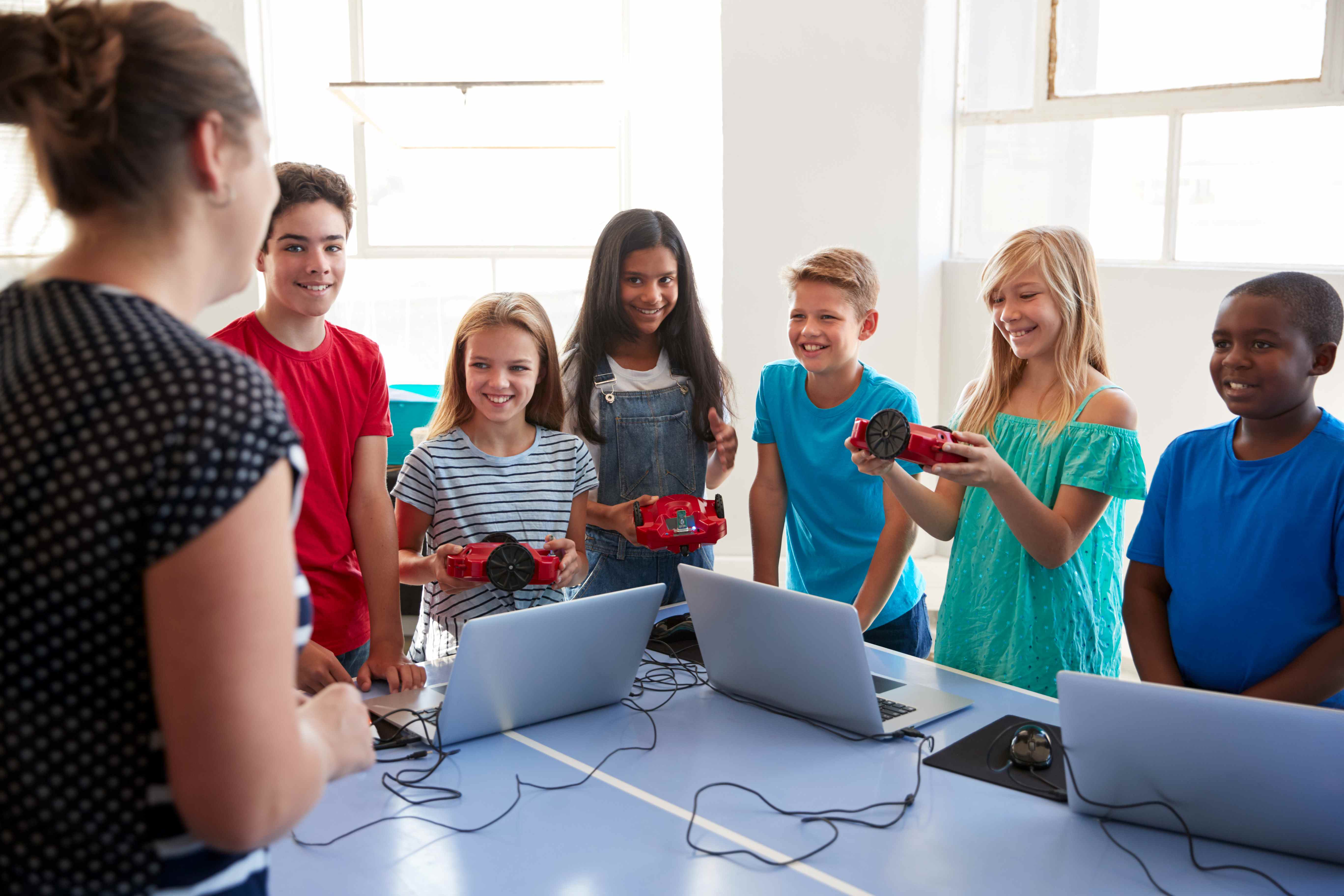
- Not all students have the same technology access.
- Bad game design loses students interest
- Teachers need more time and support.
- Start small with badges, levels, and timers.
- Use games in one lesson at first
- Add gamification step by step
- Make a big “boss fight” challenge
- Let students create their own tasks.
The Future of Gamified Education
Gamified education grows fast with new tech. VR and AR help make learning like a real game. Students can see and do things in a 3D world. This makes the lesson more fun and easy to understand.
AI makes game tasks smart. It changes difficulty for each student. AI helps make learning fit each learner best. This is important for good results.
New trends in gamified learning focus on feelings and small rewards. Emotional mood is a big part of learning. Personalization helps students learn their own way. Micro rewards like small badges keep student interest all the time.
The future of gamified education looks bright. New tools make game learning better and more helpful for all students.
Summary: Gamification and Learning Combined
Gamification does not replace school but helps it by making learning fun and active, giving the brain a signal that learning is interesting and not boring, so students want to learn more, because gamified learning is about the process with fun and challenge, where games and school work together for better results.